
Embark on a journey delving into the world of Magento Ecommerce Developers and how they revolutionize high-volume retail with custom architectures. This captivating narrative promises insights and revelations that will intrigue and inspire.
Detailing the essential aspects of Magento Ecommerce Developers and their pivotal role in reshaping the landscape of online retail platforms.
Understanding Magento Ecommerce Developers
Magento Ecommerce Developers play a crucial role in building and customizing online retail platforms using Magento, a popular e-commerce platform known for its scalability and flexibility. These developers are responsible for creating and maintaining high-performance websites that can handle large volumes of transactions and traffic.To scale high-volume retail websites, Magento Ecommerce Developers need to possess a strong understanding of Magento's architecture, customization capabilities, and optimization techniques. They should be proficient in PHP, MySQL, HTML, CSS, and JavaScript, as well as have experience working with Magento extensions and modules. Additionally, these developers should have a deep knowledge of best practices in e-commerce development, including performance optimization, security measures, and responsive design principles.Examples of Custom Architectures for Large-Scale Online Stores
- Customizing Magento's database structure to accommodate millions of products and orders, optimizing database queries for improved performance.
- Implementing a caching strategy using solutions like Varnish or Redis to enhance website speed and reduce server load.
- Integrating third-party systems such as ERP, CRM, or payment gateways to streamline business processes and improve customer experience.
- Developing custom modules to add unique functionalities tailored to the specific needs of the online store, such as advanced search capabilities or personalized product recommendations.
Custom Architectures for High-Volume Retail
Significance of Custom Architectures
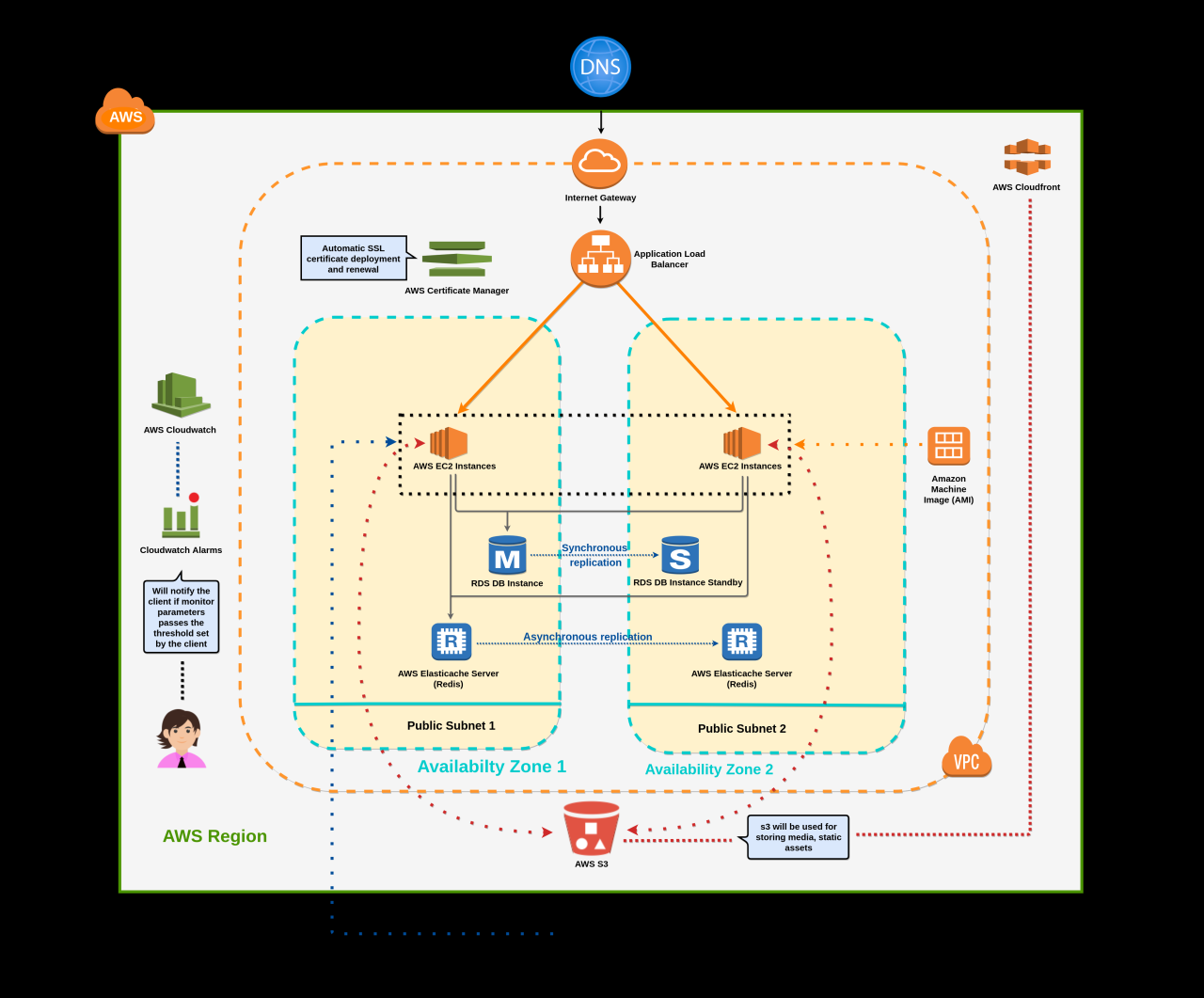
Custom architectures in Magento Ecommerce are tailored to meet the specific needs of high-volume retail websites. Unlike standard configurations, custom architectures are optimized for scalability, performance, and reliability. By designing a custom architecture, developers can ensure that the website can handle the increased load and maintain optimal speed and functionality even during peak periods.- Custom architectures allow for better resource allocation and distribution, ensuring that the website can handle a high volume of concurrent users without experiencing downtime or performance issues.
- By implementing custom caching mechanisms, developers can improve the speed and responsiveness of the website, enhancing the overall user experience for customers.
- Custom architectures enable developers to implement advanced load balancing techniques, ensuring that the workload is evenly distributed across servers to prevent bottlenecks and maximize efficiency.
Best Practices for Designing Custom Architectures
When designing and implementing custom architectures for high-volume retail websites in Magento Ecommerce, there are several best practices to keep in mind:- Conduct a thorough analysis of the website's traffic patterns and performance metrics to identify potential bottlenecks and areas for improvement.
- Utilize cloud-based infrastructure for scalability and flexibility, allowing the website to scale resources up or down based on demand.
- Implement a content delivery network (CDN) to reduce latency and improve the delivery of static assets to users across different geographical locations.
- Optimize database queries and indexing to improve the efficiency of data retrieval and processing, reducing load times and improving overall performance.
Scalability Challenges in Ecommerce Development
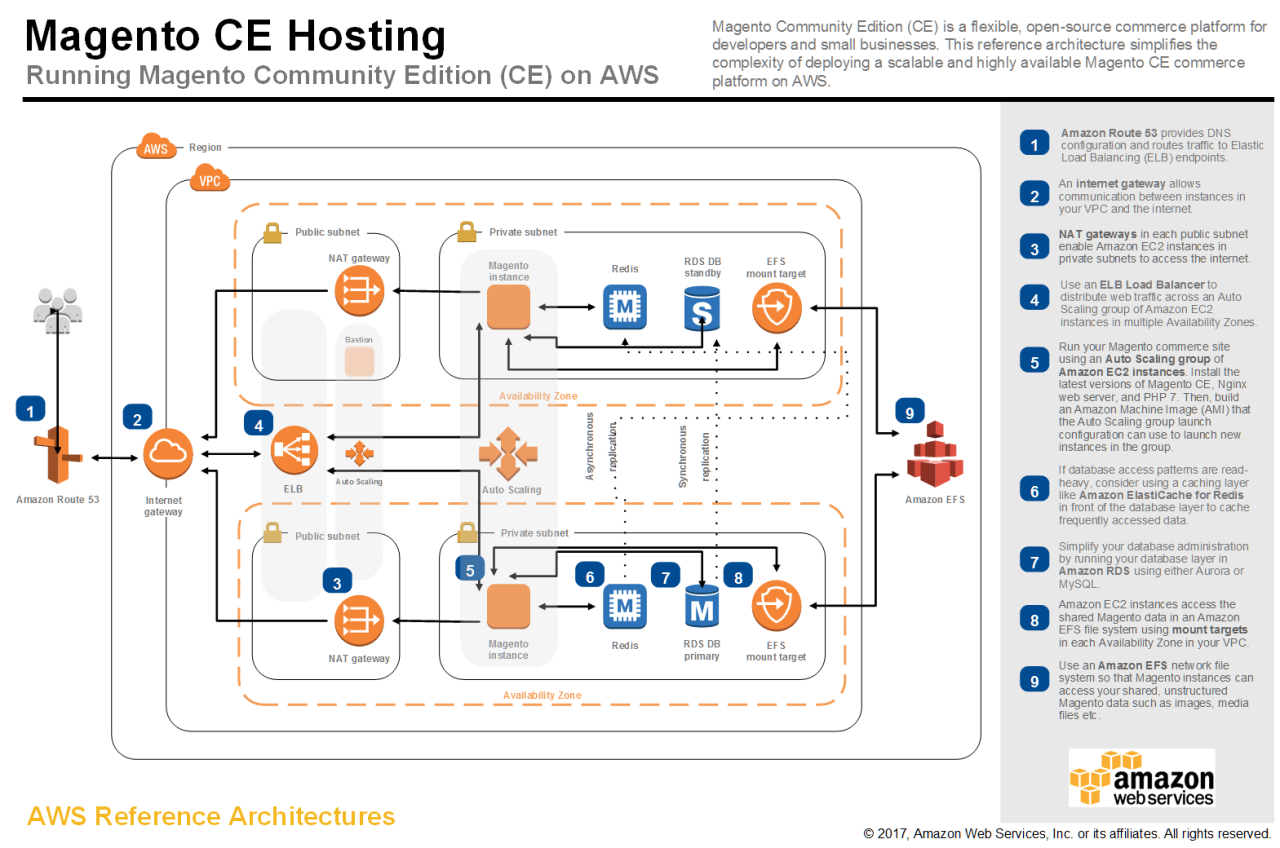 In the realm of Magento Ecommerce development, scaling high-volume retail platforms presents unique challenges that developers must address to ensure optimal performance and user experience.One common scalability challenge faced by Magento Ecommerce Developers is the ability to handle a large influx of website traffic during peak periods, such as holiday sales or promotional events. Traditional architectures may struggle to seamlessly manage the increased load, leading to slow loading times, website crashes, and ultimately a negative impact on user satisfaction.Custom architectures play a crucial role in addressing these scalability challenges by offering tailored solutions that are designed to handle high volumes of traffic efficiently. By implementing custom caching mechanisms, load balancing techniques, and optimized database configurations, developers can significantly improve the performance of Magento Ecommerce platforms and ensure a seamless user experience even during peak traffic periods.
Custom Caching Mechanisms
- Implementing a robust caching system can help reduce server load and improve website speed by storing frequently accessed data in memory.
- By utilizing technologies like Varnish or Redis, developers can enhance the overall performance of the Magento Ecommerce platform and deliver content to users more effectively.
Load Balancing Techniques
- Load balancing distributes incoming traffic across multiple servers, ensuring that no single server is overwhelmed and that resources are utilized efficiently.
- By implementing load balancing strategies, developers can improve fault tolerance, scalability, and performance of high-volume Magento Ecommerce platforms.
Optimized Database Configurations
- Optimizing database configurations involves fine-tuning database settings, indexing tables, and minimizing unnecessary queries to enhance overall performance.
- By ensuring efficient database operations, developers can improve the speed and responsiveness of Magento Ecommerce platforms, leading to a better user experience.
Performance Optimization Strategies
Optimizing the performance of high-volume retail websites is crucial for Magento Ecommerce Developers to ensure a seamless user experience and drive higher conversion rates. By implementing key performance optimization strategies, developers can enhance the overall success of custom architectures in Magento Ecommerce.Caching Mechanisms
- Utilize full-page caching to store complete web pages ready for quick retrieval, reducing server load and improving page load times.
- Implement browser caching to store static resources locally on the user's device, reducing the need to fetch data from the server repeatedly.
- Use opcode caching to store compiled PHP code in memory, reducing the time needed to parse and execute scripts.
Code Optimization
- Minify CSS, JavaScript, and HTML files to reduce their size and improve loading times.
- Optimize images by compressing them without compromising quality to reduce file sizes and speed up page loading.
- Avoid unnecessary database queries and optimize existing queries to reduce server load and improve response times.
Server Configuration
- Opt for a reliable hosting provider with adequate resources to handle high traffic volumes and ensure optimal server performance.
- Implement Content Delivery Networks (CDNs) to distribute content geographically and reduce latency for users accessing the website from different locations.
- Configure server settings, such as PHP version, memory limits, and caching mechanisms, to optimize performance based on the specific requirements of the website.
Future Trends and Innovations
As the landscape of Ecommerce continues to evolve rapidly, it is crucial for Magento Ecommerce Developers to stay abreast of emerging trends and innovations to remain competitive in scaling high-volume retail websites. Let's delve into the exciting future possibilities that could shape the work of developers in the coming years.
Role of AI, Machine Learning, and Automation
In the realm of Magento Ecommerce development, technologies like AI, machine learning, and automation are revolutionizing the way online stores are built and managed. These advancements are empowering developers to create more personalized and efficient shopping experiences for customers, leading to increased conversions and customer satisfaction.
- AI-powered Product Recommendations: Utilizing AI algorithms to analyze customer behavior and preferences, developers can offer highly targeted product recommendations, enhancing the overall shopping experience and driving sales.
- Machine Learning for Fraud Detection: Implementing machine learning models can help detect and prevent fraudulent activities on Ecommerce platforms, ensuring a secure and trustworthy environment for both merchants and customers.
- Automation in Inventory Management: By automating inventory management processes, developers can streamline operations, reduce human error, and optimize stock levels, leading to improved efficiency and cost savings for retailers.
Impact of Future Technological Advancements
Looking ahead, the future advancements in technology are poised to revolutionize the work of Magento Ecommerce Developers in customizing architectures for high-volume retail websites. Predictions suggest that developments in areas such as augmented reality (AR), voice commerce, and blockchain integration will play a significant role in shaping the Ecommerce landscape.
- AR-Powered Shopping Experiences: Integrating AR technology into Ecommerce platforms can provide customers with immersive shopping experiences, allowing them to visualize products in real-world settings before making a purchase.
- Voice Commerce Integration: With the rising popularity of voice assistants like Siri and Alexa, integrating voice commerce capabilities into Magento websites can offer customers a convenient and hands-free shopping experience.
- Blockhain for Enhanced Security: Leveraging blockchain technology can enhance the security and transparency of Ecommerce transactions, providing a secure and decentralized payment ecosystem for retailers and consumers alike.
Final Summary
In conclusion, the intricate dance between Magento Ecommerce Developers and custom architectures unravels a tapestry of innovation and success in high-volume retail. This discussion serves as a testament to the boundless possibilities when expertise meets cutting-edge technology.
Question Bank
What skills are needed for Magento Ecommerce Developers to scale high-volume retail websites?
Magento Ecommerce Developers require expertise in PHP, MySQL, and a deep understanding of Magento's architecture to handle high volumes efficiently.
How do custom architectures differ from standard configurations in Magento for scalability?
Custom architectures are tailored solutions designed specifically to manage high traffic and transactions, unlike standard configurations that may not offer the same level of performance under heavy loads.
What are the key strategies used by Magento Ecommerce Developers to optimize performance?
Performance optimization strategies include caching, image optimization, code minification, and server-side optimizations to ensure swift and efficient website operation.