
Exploring the realm of BigCommerce Services: Technical Audits to Improve Site Speed and Rankings, this paragraph sets the stage for a journey filled with insights and practical tips to enhance your website's performance.
Delving deeper into the intricacies of technical audits and their impact on site speed and rankings, this guide aims to equip you with the knowledge needed to elevate your online presence.
Importance of Technical Audits in BigCommerce Services
Technical audits play a crucial role in optimizing a BigCommerce website for search engine rankings and user experience. By conducting a thorough technical audit, businesses can identify and address issues that may be hindering site speed and overall performance, leading to improved results.
Key Areas Assessed During a Technical Audit
- Site Speed: Assessing loading times of web pages to ensure optimal performance and user experience.
- Mobile Responsiveness: Checking responsiveness and usability on various devices, especially on mobile.
- Indexing and Crawling: Evaluating how search engines crawl and index the website's content.
- Site Structure and Navigation: Reviewing the organization of content and ease of navigation for users and search engines.
- Meta Tags and Descriptions: Analyzing meta tags and descriptions for relevance and optimization.
Impact of Technical Audit Findings on Performance
The findings of a technical audit can have a significant impact on a website's performance. By addressing issues identified during the audit, businesses can improve site speed, user experience, and overall search engine visibility. This can lead to higher rankings, increased organic traffic, and ultimately, better conversions and revenue.
Strategies for Conducting Technical Audits on BigCommerce Sites
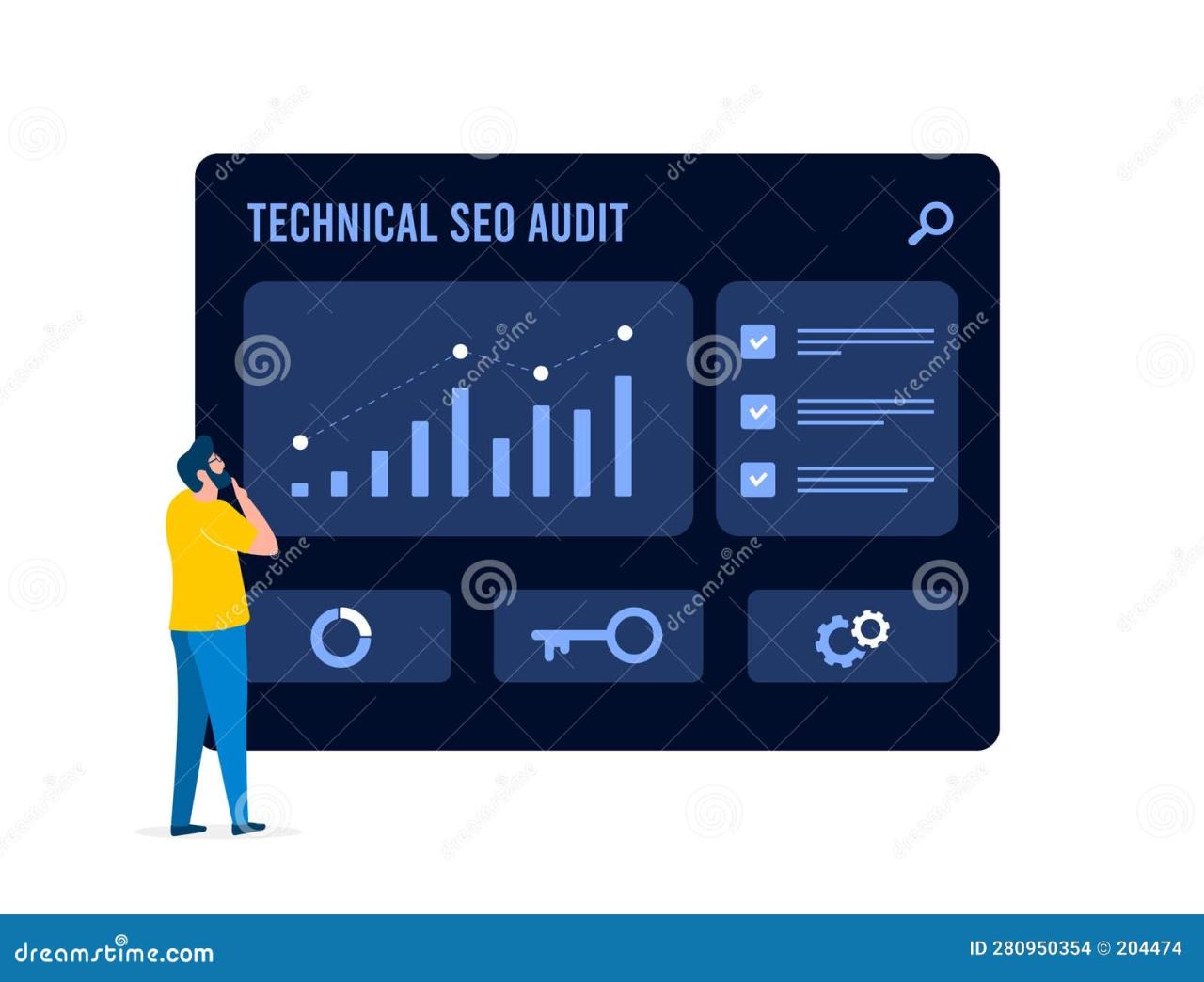
Step-by-Step Procedures for Running a Technical Audit
- Start by analyzing site speed and performance metrics using tools like Google PageSpeed Insights or GTmetrix. This will help identify any areas that need improvement.
- Check for any broken links or 404 errors on the website. Use tools like Screaming Frog or SEMrush to crawl the site and identify these issues.
- Review the site structure and URL hierarchy to ensure it is optimized for both users and search engines. Make sure URLs are descriptive and follow best practices.
- Examine the website's mobile-friendliness and responsiveness. With mobile-first indexing, it is essential to ensure the site looks and functions well on mobile devices.
- Verify the implementation of structured data markup to help search engines understand the content on the site better. Use tools like Google's Structured Data Testing Tool to validate the markup.
Examples of Tools and Software for Technical Audits
- Google PageSpeed Insights: Analyzes the performance of a web page and provides suggestions for improvement.
- Screaming Frog: A website crawling tool that helps identify technical issues like broken links and duplicate content.
- GTmetrix: Another tool for analyzing page speed and performance, offering insights into how to optimize load times.
- SEMrush: Provides comprehensive audit reports, including site health, errors, and warnings that need attention.
The Role of Structured Data in Technical Audits for Optimization
Structured data plays a significant role in optimization by providing search engines with additional context about the content on a website. By implementing structured data markup, webmasters can help search engines understand the relevance of their content and display rich snippets in search results. This can lead to higher click-through rates and improved visibility in search engine results pages.Optimizing Site Speed for BigCommerce
 Site speed plays a crucial role in both and user experience. A fast-loading website not only pleases search engines but also keeps visitors engaged and satisfied. In the case of BigCommerce , optimizing site speed is essential for improving rankings and conversion rates
Comparing Different Methods for Improving Site Speed on a BigCommerce Platform
When it comes to boosting site speed on a BigCommerce platform, there are several effective methods to consider. Here are some comparisons of different approaches:- Utilizing a Content Delivery Network (CDN): Implementing a CDN can help distribute website content across various servers globally, reducing loading times for users accessing your site from different locations.
- Minifying CSS, JavaScript, and HTML: By minimizing the size of these files, you can accelerate load times by reducing the amount of data that needs to be transferred.
- Caching: Utilizing browser caching and server-side caching can store static resources and frequently accessed data, allowing for quicker retrieval when users revisit your site.
- Optimizing Code: Cleaning up unnecessary code and optimizing scripts can streamline your website's performance and improve loading times.
Explaining How Optimizing Images Can Contribute to Faster Loading Times
Images are often one of the main culprits for slow-loading websites. Optimizing images can significantly impact site speed by reducing file sizes without compromising quality. Here are some strategies for optimizing images on a BigCommerce site:- Compressing Images: Use image compression tools to reduce file sizes while maintaining visual quality.
- Choosing the Right File Format: Selecting the appropriate file format (JPEG, PNG, or GIF) based on the type of image can help reduce load times.
- Resizing Images: Ensure images are scaled to the correct dimensions needed on your website to prevent unnecessary loading of large files.
- Lazy Loading: Implement lazy loading techniques to defer the loading of off-screen images, improving initial page load times.
Enhancing Rankings through Technical on BigCommerce
When it comes to improving search engine rankings for a BigCommerce site, technical plays a crucial role in optimizing various aspects of the website to enhance visibility and user experience. By focusing on technical best practices, businesses can effectively boost their rankings and attract more organic traffic to their online stores.Implementing Technical Best Practices on a BigCommerce Site
Implementing technical best practices on a BigCommerce site involves optimizing various elements of the website to ensure better performance and visibility in search engine results. Here are some tips for implementing technical on a BigCommerce site:
- Optimize site structure and navigation to improve user experience and search engine crawling.
- Ensure proper use of meta tags, headers, and alt text for images to enhance on-page .
- Fix any broken links and ensure proper redirection to avoid negative impact on .
- Optimize website loading speed by compressing images, minifying CSS and JavaScript files, and leveraging browser caching.
- Implement schema markup to provide search engines with more information about your products and services.
Impact of Mobile Responsiveness on Rankings and User Engagement
Mobile responsiveness is a critical factor in determining search engine rankings and user engagement on a BigCommerce site. With the increasing use of mobile devices for online shopping, search engines prioritize mobile-friendly websites in their rankings. Here's how mobile responsiveness impacts rankings and user engagement:
- Mobile-friendly websites rank higher in mobile search results, leading to increased visibility and organic traffic.
- Improved user experience on mobile devices can result in higher engagement, lower bounce rates, and increased conversions.
- Search engines like Google prioritize mobile-first indexing, making it essential for websites to be mobile responsive to maintain rankings.
- Mobile responsiveness contributes to a positive user experience, which can lead to better brand perception and customer loyalty.
Last Word
In conclusion, the significance of technical audits, optimizing site speed, and implementing technical practices for BigCommerce cannot be overstated. By focusing on these key areas, you can enhance your website's visibility and user experience, ultimately leading to improved search engine rankings.
FAQ Compilation
How do technical audits impact performance?
Technical audits identify and address issues that may hinder site speed and rankings, ultimately improving overall performance.
What tools are commonly used for conducting technical audits on BigCommerce sites?
Popular tools for technical audits include Screaming Frog, Google PageSpeed Insights, and SEMrush.
Why is site speed important for ?
Site speed is crucial for as it impacts user experience, bounce rates, and search engine rankings.
How can mobile responsiveness affect rankings?
Mobile responsiveness is a key factor in rankings, as search engines prioritize mobile-friendly websites for better user experience.