
In this discussion of Shopify Capital Loan vs. Venture Capital: Which is Better for Scaling Inventory?, we delve into the intricacies of financing options for businesses looking to expand their inventory. Get ready to explore the pros and cons of each funding method and how they impact inventory scaling.
The following paragraphs will provide detailed insights into the advantages, disadvantages, application processes, and requirements of both Shopify Capital Loan and Venture Capital, helping you make an informed decision for your business growth.
Introduction to Shopify Capital Loan and Venture Capital
When it comes to scaling inventory for your business, two popular funding options are Shopify Capital Loan and Venture Capital. Let's delve into the key characteristics of each and understand the target audience for these financing methods.
Shopify Capital Loan
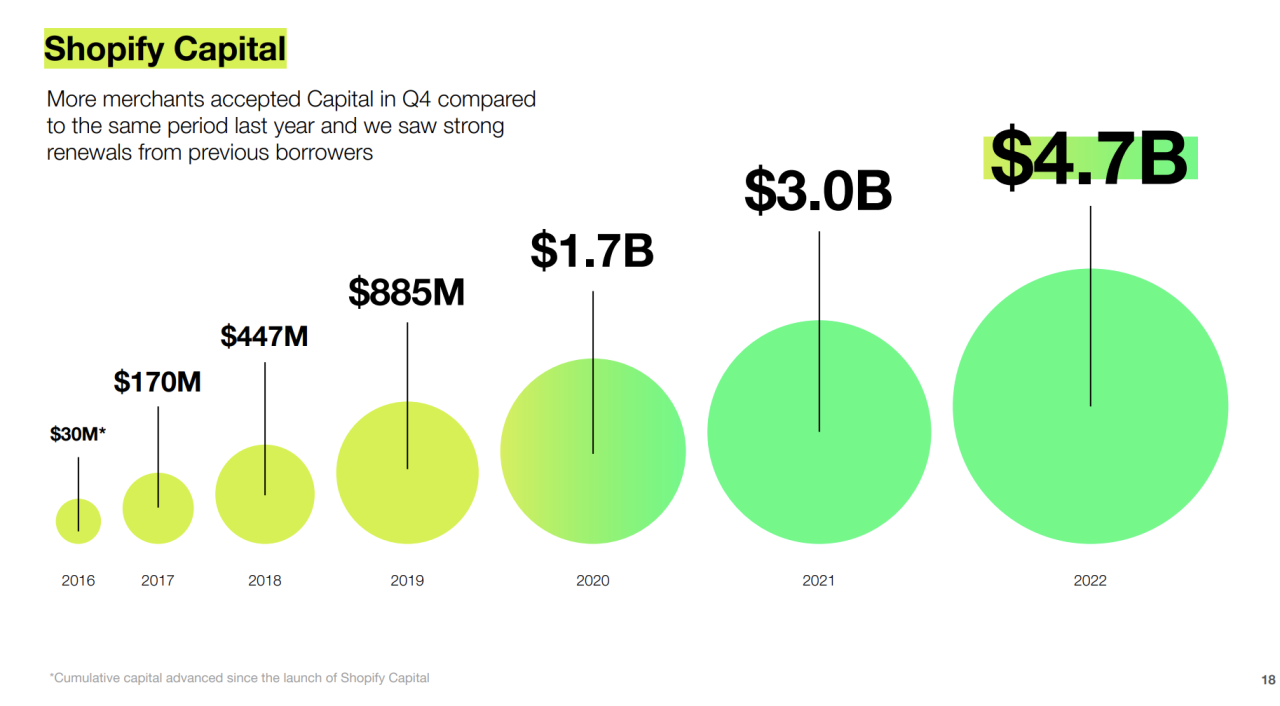
Shopify Capital Loan is a financing option specifically designed for Shopify merchants. It provides a lump sum of capital to eligible businesses based on their sales history and performance on the Shopify platform.
- Quick and easy application process
- Repayment through a percentage of daily sales
- Available to Shopify merchants with a proven track record
Venture Capital
Venture Capital involves investors providing funding to startups or small businesses in exchange for equity ownership. This type of funding is typically sought by businesses looking to scale rapidly and achieve significant growth.
- Longer application and approval process
- Investors take an ownership stake in the business
- Targeted towards high-growth potential startups
Pros and Cons of Shopify Capital Loan

One of the main advantages of opting for a Shopify Capital Loan is the convenience and ease of access. Since the loan is directly integrated into the Shopify platform, the application process is streamlined, and funds can be approved and disbursed quickly, allowing businesses to access the capital they need without extensive paperwork or lengthy approval times.
Advantages of Shopify Capital Loan:
- Quick approval and funding process
- No fixed monthly payments
- No personal guarantees required
- Flexible repayment based on daily sales
While Shopify Capital Loans offer various benefits, there are also potential drawbacks to consider. For example, the interest rates on these loans can be higher compared to traditional bank loans, which may increase the overall cost of borrowing. Additionally, the loan amount available through Shopify Capital may be limited, depending on the business's sales history and eligibility criteria.
Limitations of Shopify Capital Loan:
- Higher interest rates
- Loan amount restrictions
- Potential impact on profit margins
- Limited eligibility criteria
When comparing the flexibility of Shopify Capital Loans with other funding options, it's essential to consider the unique features offered by Shopify. The repayment structure based on daily sales allows businesses to align their payments with their revenue, making it a flexible option for companies with fluctuating cash flow. This can be particularly beneficial for e-commerce businesses that experience seasonal sales variations.
Pros and Cons of Venture Capital
When considering scaling inventory, Venture Capital can offer significant advantages, but it also comes with its own set of challenges and risks.Benefits of Securing Venture Capital
- Access to substantial funding: Venture Capitalists can provide large sums of money to help scale inventory quickly and efficiently.
- Strategic guidance and expertise: Venture Capitalists often bring valuable industry knowledge and connections to the table, aiding in strategic decision-making.
- Potential for rapid growth: With Venture Capital funding, businesses can accelerate their growth trajectory and expand their inventory at a faster pace.
Potential Challenges of Venture Capital Funding
- Loss of control: Accepting Venture Capital means sharing ownership and decision-making power with investors, which could lead to conflicts in strategic direction.
- High expectations for returns: Venture Capitalists expect a high return on their investment, which can create pressure to deliver results quickly and consistently.
- Risk of dilution: Additional rounds of funding may lead to dilution of ownership for the original founders and early stakeholders.
Long-Term Implications of Venture Capital
- Long-term growth potential: Venture Capital can fuel sustained growth over time, allowing businesses to reach new markets and scale their inventory to meet increasing demand.
- Exit strategies: Venture Capitalists often look for an exit strategy, such as acquisition or IPO, which may impact the long-term goals and direction of the business.
- Relationship building: Establishing strong relationships with Venture Capitalists can open doors to future funding rounds and strategic partnerships.
Application Process and Requirements
Shopify Capital Loan Application Process
- Applying for a Shopify Capital Loan is a streamlined process integrated within the Shopify platform.
- Merchants receive a notification of eligibility based on their sales history and performance on Shopify.
- If eligible, merchants can review the loan offer, select the desired amount, and agree to the terms.
- The loan amount is then deposited directly into the merchant's bank account.
Shopify Capital Loan Requirements
- Merchants must have a minimum sales history on Shopify to qualify.
- Good standing with Shopify Payments and no outstanding chargebacks.
- Verification of identity and banking details.
Comparison with Venture Capital
- Shopify Capital Loans have a faster application and approval process compared to the lengthy diligence process of Venture Capital funding.
- Shopify Capital focuses more on a merchant's sales performance on the platform, while Venture Capital considers various aspects of the business.
- Shopify Capital Loans are limited to a certain amount based on sales history, while Venture Capital offers larger funding amounts but with equity stake and control.
Impact on Inventory Scaling
When it comes to scaling inventory, the choice between utilizing a Shopify Capital Loan or securing Venture Capital funding can have significant implications on the growth and expansion of a business. Let's explore how each option can impact inventory scaling in the short and long term.
Impact of Shopify Capital Loan on Inventory Scaling
Shopify Capital Loans provide a quick and flexible way for businesses to access funds specifically for inventory expansion. By leveraging this type of financing, businesses can quickly purchase more inventory to meet increasing demand or take advantage of bulk discounts from suppliers. For example, a small e-commerce store looking to expand its product range can use the Shopify Capital Loan to purchase a larger quantity of items, thereby scaling up its inventory effectively.
Impact of Venture Capital Funding on Inventory Growth
Venture Capital funding, on the other hand, can provide businesses with a substantial amount of capital to support not only inventory scaling but overall business growth. With Venture Capital, businesses can invest in advanced inventory management systems, implement efficient supply chain processes, and expand warehouse facilities to accommodate larger inventory volumes. For instance, a tech startup receiving Venture Capital funding can invest in automated inventory tracking systems to streamline operations and scale inventory management efficiently.
Comparing the Effectiveness of Funding Options
- Short Term Impact:
- Shopify Capital Loans offer a quick injection of funds specifically for inventory scaling, allowing businesses to react swiftly to market demands and opportunities.
- Venture Capital funding may take longer to secure but can provide a more substantial amount of capital for comprehensive inventory scaling strategies in the short term.
- Long Term Impact:
- Shopify Capital Loans are beneficial for immediate inventory scaling needs, but businesses may need to seek additional financing as they grow and expand over time.
- Venture Capital funding can support long-term inventory scaling initiatives as part of a broader growth strategy, enabling businesses to sustain inventory expansion as they evolve.
Summary
As we conclude our exploration of Shopify Capital Loan vs. Venture Capital: Which is Better for Scaling Inventory?, it becomes evident that the choice between the two funding options heavily depends on your business goals, risk tolerance, and growth trajectory. Whether you opt for the quick injection of funds from Shopify Capital Loan or the strategic partnership with Venture Capital firms, remember to assess your needs carefully to maximize your inventory scaling potential.
FAQ Resource
What are the main differences between Shopify Capital Loan and Venture Capital?
Shopify Capital Loan offers quick access to funds based on your Shopify sales history, while Venture Capital involves investors providing funds in exchange for equity.
What are the typical requirements for qualifying for a Shopify Capital Loan?
To qualify for a Shopify Capital Loan, you generally need to have a successful sales history on your Shopify store and meet certain revenue thresholds.
How does Venture Capital funding differ from short-term funding options like Shopify Capital Loan in terms of implications?
Venture Capital funding is a long-term strategic investment that involves giving up equity in your business, unlike short-term loans that need to be repaid.